Health and Safety Policy for Sunbury Removals
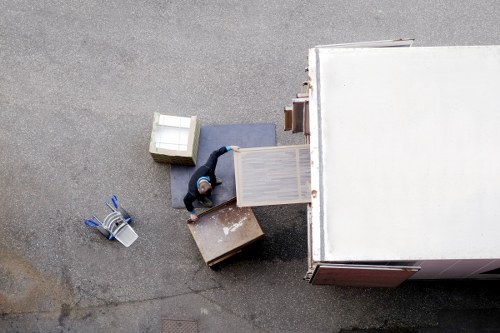 Sunbury Removals is committed to maintaining a safe, controlled, and professional working environment for employees, clients, contractors, and members of the public. This health and safety policy sets out the standards we follow to reduce risks during every stage of a move, from planning and packing to loading, transport, and delivery. Our approach is based on careful risk awareness, practical training, clear communication, and consistent use of safe systems of work.
We recognise that moving services involve a wide range of manual handling, vehicle movement, lifting equipment, and property access challenges. For that reason, our removals health and safety practices are designed to prevent injury, protect property, and support efficient operations. We expect every team member to act responsibly, identify hazards early, and stop work whenever a task becomes unsafe. Safety is not treated as an extra step; it is built into how we work every day.
 The company will take all reasonably practicable steps to control risk and comply with applicable health and safety duties. This includes ensuring that staff are suitably trained, equipment is maintained in good condition, and jobs are assessed before work begins. A strong safety culture depends on preparation, so our health and safety policy covers planning, supervision, reporting, and review. Each move is different, and our procedures are intended to adapt to the conditions of the site, the items being handled, and the level of access available.
All employees have a responsibility to work safely, follow instructions, and use equipment correctly. Supervisors must monitor tasks, give clear direction, and intervene where unsafe behaviour or conditions are identified. Staff are expected to wear appropriate personal protective equipment where required, use safe lifting techniques, and communicate clearly with colleagues and customers. Good housekeeping is also essential: clear walkways, organised loading areas, and stable stacking arrangements help reduce slips, trips, and falls.
Manual handling is one of the most important risks in the removals industry. To reduce strain and injury, we prioritise team lifting, mechanical aids, and sensible load management. Items are assessed for weight, shape, fragility, and handling difficulty before movement. When necessary, alternative methods are used to avoid unsafe lifting. Employees must never attempt a lift beyond their capability or work in a way that could harm themselves or others. Safe handling is always preferred over speed.
 Vehicle safety is equally important. All transport used by Sunbury Removals must be kept roadworthy, clean, and fit for purpose. Drivers must hold the correct authorisation, follow legal driving requirements, and carry out pre-use checks before each journey. Loads should be secured to prevent shifting during transit, and vehicles must be packed in a stable and balanced manner. Route planning, rest breaks, and weather awareness also form part of our safety management process.
Where jobs involve stairs, narrow hallways, limited parking, or restricted access, additional precautions are taken. The team may conduct a pre-move assessment to identify hazards and decide how to carry out the work safely. This may include using extra staff, protective coverings, specialist equipment, or altered loading arrangements. We believe that safe removals depend on preparation and flexibility, particularly when the environment presents unexpected obstacles. If conditions change during a move, work is paused and the task is reassessed.
We also recognise the importance of protecting customers??? homes and business premises. Floors, walls, corners, and fixtures should be handled with care, and equipment should be used in a way that minimises the chance of damage. Any spillages, broken items, or sharp objects must be dealt with promptly and safely. The work area should remain tidy throughout the job so that hazards do not build up. Respect for the property we work in is part of our wider commitment to health and safety in removals.
Accidents, near misses, and unsafe conditions must be reported as soon as possible. Prompt reporting helps us investigate what happened, identify the root cause, and introduce measures to prevent recurrence. Records are reviewed so that lessons can be learned and shared across the team. We encourage an open reporting culture in which employees feel able to raise concerns without delay. In this way, our removal company safety policy supports continuous improvement and accountability.
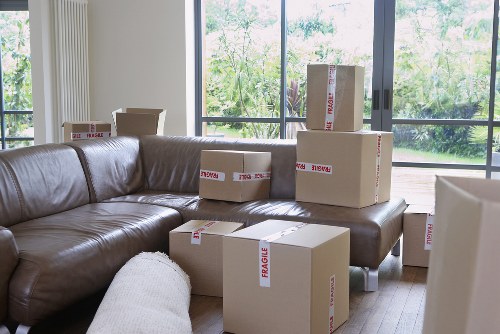 Training is an ongoing requirement. New starters receive instruction on safe working methods, manual handling, equipment use, emergency procedures, and reporting responsibilities. Refresher training is provided where needed, especially when new equipment, new processes, or changing work demands create additional risks. Supervision ensures that standards are maintained and that safe behaviour becomes routine. We expect all personnel to understand that good moving service safety is a shared responsibility.
Emergency preparedness is another important part of this policy. Staff should know how to respond to fire, traffic incidents, injuries, and other urgent situations. First aid provision and emergency contact procedures must be available and understood by relevant team members. If an incident occurs, the immediate priority is to protect people from further harm and seek help where necessary. Afterward, the situation is reviewed so that appropriate corrective action can be taken.
 This policy will be reviewed regularly to ensure it remains suitable, effective, and aligned with the risks associated with our operations. Updates may be made when processes change, lessons are learned, or improvements are identified. Everyone working for Sunbury Removals is expected to support this policy by acting safely, reporting concerns, and following the procedures in place. Through consistent attention to removals health and safety, we aim to deliver a reliable service while protecting people, property, and the environment.