Sunbury Removals in Sunbury

We provide Sunbury removals for households and businesses that need a careful, organised move with clear communication from start to finish. Our work covers furniture moving, packing support, loading and transport, and practical help with the details that make a relocation run smoothly. If you are planning a full property move or a smaller transfer of items, the aim is the same: to move your belongings safely, sensibly and with as little disruption as possible.
Removals work is rarely just about carrying items from one place to another. It also involves preparation, protection, access, timing and a sensible approach to each room or item. We handle moves in a way that reflects the contents involved, whether that means bulky furniture, boxes, mixed household possessions or office equipment. For a broader view of the services behind this work, see our removal services and how they support different move types.
The best starting point is to think about the volume of items, any awkward access and the level of packing support you may want. A clear list of major furniture pieces, fragile belongings and anything requiring dismantling helps shape the plan. Sunbury removals can then be matched to the move rather than treated as a one-size-fits-all job. When you are ready, please get in touch and request a quotation.
House moves and domestic removals
Domestic moves are often the core of a removals business, and they call for a steady approach rather than a rushed one. We support house moves of different sizes, from compact flats through to family homes with multiple rooms of furniture and stored belongings. The process usually includes planning how items will leave the property, how they will be protected in transit and where they will be placed at the destination so that the move settles quickly.
Where a house move includes furniture that needs separating or reassembling, that work can be built into the plan. Sofas, beds, wardrobes and large cabinets often move more safely when they are prepared properly. In this area of the service, the practical details matter: door widths, stair turns, parking distance and the handling of delicate finishes all influence the approach. If you want to understand the domestic service in more depth, the page on house removals gives a useful starting point.
What domestic customers usually need considered
Each home move has its own pattern, but some points come up again and again. A good removals plan normally accounts for packing, route access and the order in which rooms are cleared. It also helps to identify which items are most fragile, which are unusually heavy and whether any possessions need extra wrapping or case-by-case handling. This is especially useful when the move includes a mixture of everyday belongings and higher-value items that need more careful treatment.
If you are comparing different ways of moving, it can help to decide whether you need full removal support or simply transport for already prepared items. Some customers prefer a fuller domestic package, while others only need a van and loading help. The flexibility in the service means the work can be shaped to suit the move rather than forcing you into unnecessary extras. For smaller loads, our home moves page may be relevant.
Another useful step is to think through the destination before moving day. Where should beds be placed, which boxes should be easy to reach and what will need to be assembled first? Clear instructions reduce handling time and help the move settle more comfortably. Simple preparation makes a noticeable difference, even when the service itself is doing the heavy lifting. A concise request for a quotation can be the quickest way to begin.
Packing, protection and careful handling
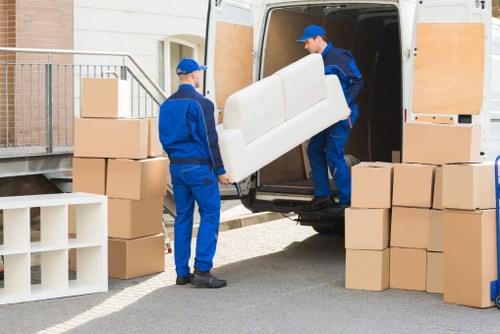
Packing is a key part of many removals, because items that are secure before loading are far less likely to be damaged in transit. We can support packing and unpacking in a way that suits the scale of the move, from supplying labour for fragile rooms to helping with a full-property pack-up. Boxes, wrapping, padding and sensible grouping of contents all reduce avoidable movement and make unloading easier at the other end.
Some customers prefer to do most of their own packing but still need help with difficult items. Others want a more complete service so that fragile tableware, pictures, ornaments and mixed household contents are prepared by the removals team. The most useful approach depends on how much time is available and how confident you are with the pack itself. For a closer look at the related support, visit packing and unpacking services.
Practical packing choices that affect the move
Good packing is less about speed and more about order. Heavier items should usually go in smaller boxes, fragile belongings should not be left loose, and mixed contents should be grouped so that unpacking is sensible. Labelling is helpful because it reduces confusion when boxes are being placed in different rooms. It is also worth separating essentials you may want immediately from items that can remain boxed for longer.
Protection is important for furniture as well as smaller items. Blankets, wraps and careful stacking help reduce scuffs and pressure during loading. Corners, painted surfaces and glass elements deserve special attention, particularly in narrow hallways or properties with awkward turning spaces. We work with the understanding that every load has different vulnerabilities, and that the right packing choice is often what keeps a move calm and controlled.
When you are planning the job, a simple inventory of rooms and standout items can be enough to start the quotation process. There is no need to overcomplicate it, but it does help to be specific about anything fragile or unusually large. If the move needs both packing and transport, asking for one coordinated plan is usually the most efficient route. Please request a quotation if you would like that organised.
Office removals and commercial relocation
Commercial moves require a different rhythm from domestic work because equipment, records and furniture often need to be moved without losing the flow of the working day. We support office removals that involve desks, chairs, filing, IT-related furniture and other business contents, with attention paid to access, labelling and sequence. A structured move matters here because departments, workstations and storage areas usually need to be re-established in the right order.
Businesses often want a move that is practical, discreet and planned around real operating needs. That can mean moving in stages, separating archive material from everyday equipment, or prioritising items that allow a team to resume work more quickly. To see the kind of service offered for this type of relocation, take a look at office removals. Where a move involves multiple parts of a business, the wider commercial moves page may also be helpful.
What makes a business move organised
The best commercial moves usually start with a clear plan for what is moving first, what needs extra handling and what should be kept separate. This is especially important when a business has both shared areas and personal workstations. Labelling boxes and equipment according to destination room or team can make the relocation much more manageable, particularly when several people will be unpacking once everything arrives.
Business customers also tend to benefit from a sensible approach to access. Loading points, staircases, lift use and parking all affect how efficiently items can be moved. A concise overview of the premises and the main contents is often enough to guide the quotation. If you already know the scale of the job, a short message with the key details is often the most effective first step.
For commercial work, it is worth separating essential equipment from archive or surplus items before the day itself. That makes it easier to load in the right order and prevents useful items from being buried in general boxes. If your relocation includes office furniture that needs dismantling or rebuilding, that can usually be included in the move plan as part of the overall service.
Man and van removals for smaller jobs

Not every move needs a large-scale removals team. Smaller collections, part-load moves and straightforward transport jobs can often be handled with a man and van arrangement, which is a flexible option when you only need help with selected items. This can suit individual furniture pieces, a few rooms’ contents, or lighter moving jobs where full removal provision would be unnecessary. The focus remains on safe loading, secure transport and clear coordination.
For customers who want a simpler and more compact service, the relevant options may be found on our man and van page or the closely related man with van service page. These choices are often practical when the move is smaller, the route is straightforward and the item list does not justify a larger vehicle. The aim is still the same: reduce stress and make the move manageable.
When a lighter removals option can be useful
A smaller vehicle-based service can be especially useful for single-room moves, second-hand furniture collections or transporting items between properties at different stages of a move. It can also work well when a customer has packed and prepared everything already but needs reliable loading and delivery. Because the job size is lighter, it is often easier to match the service to a narrow brief without adding complexity that is not required.
Even in a smaller move, it helps to think about access and protection. A narrow stairwell, a soft floor finish or a large item with awkward dimensions can still affect the plan. For that reason, concise information about the items and the property setup is useful before a quotation is prepared. If the work sits somewhere between a small move and a larger household relocation, the right van-based service can bridge that gap neatly.
Customers sometimes choose this approach because it allows a move to happen in stages, rather than all at once. That can be a good fit where storage, collection timing or a phased property transition is involved. For a quick start, outline the items, the route and the access points, then ask for a quotation that matches the scale of the work.
Furniture pick-up and transport of individual items
Sometimes the task is not a complete move at all, but the safe collection and delivery of one or more items of furniture. We provide furniture pick-up for pieces that are too large, too awkward or too valuable to transport casually. That can include beds, wardrobes, tables, chairs, sofas and similar household furnishings, along with items that need to be handled with extra care during loading and unloading.
Furniture transport works best when the item dimensions and access details are checked in advance. Large items may need special positioning, careful wrapping or limited dismantling before they can move safely. If you are looking for a dedicated collection option, the furniture pick-up page is the most relevant destination. It can be a practical choice when a single item needs attention rather than a whole property move.
Things to think about before furniture is moved
The most important point with furniture is fit. A piece that fits comfortably in a room may still be awkward at the stairs, the front door or the vehicle opening. That is why measurements and a little advance planning are valuable. It is also sensible to note whether an item has removable legs, glass inserts or delicate finishes, because these details influence how the load should be protected and positioned.
There are times when transporting one item leads naturally into a few more, for example when a room refresh includes several new pieces or an old set of furniture is being cleared. In those cases, a flexible transport service can still handle the job efficiently without requiring a full house move. The key is to keep the job description accurate so the right vehicle and handling arrangements can be selected.
If the furniture is being collected from one property and delivered to another, a clear access note for both ends is helpful. That may include stairs, limited parking or any need for careful timing. A short list of what needs moving is usually enough to begin. When you are ready, ask for a quotation and describe the pieces as clearly as you can.
Vehicles, loading and the practical side of removals

Removals work relies heavily on the right vehicle and the right loading method. A van or truck has to suit the size and mix of the goods being carried, otherwise items can be overhandled or spaced inefficiently. We use the vehicle type that best fits the job we are undertaking, so that the load remains secure and the moving process stays orderly from collection to delivery.
For customers comparing transport-led services, pages such as removal van, moving van and moving truck can help indicate the kinds of vehicle-related arrangements available. Choosing the right scale matters because larger, heavier or mixed loads do not benefit from being squeezed into a setup that is too small. A better match is usually safer and more efficient.
How load planning helps the move
Good load planning is about protecting the contents as much as possible while also making the journey efficient. Heavier items normally need a stable position, more delicate items may need layered protection, and boxes should be loaded in a way that avoids crushing. A thoughtful loading sequence reduces unnecessary shifting in transit and helps with easier unloading at the destination.
- Separate fragile items from general boxes where possible.
- Keep awkward items accessible so they can be handled properly.
- Group room contents to simplify unpacking later.
- Note anything that needs dismantling before the move begins.
- Make sure the access route is clear at both properties.
Those simple steps are not complicated, but they can make a noticeable difference to the day itself. They also make it easier to quote accurately, because the move can be matched to the items and access involved. If you have a mixed load, or if you are not sure which vehicle type suits it best, describing the contents plainly is usually enough to get useful guidance.
Some moves also involve short-term staging, such as keeping certain pieces separate until the destination is ready. Vehicle choice and load order matter even more in those situations because the last items loaded are not necessarily the first items needed. If you want practical vehicle-led removals, the main aim is to align the load, the route and the unloading sequence rather than treating them as separate tasks.
About Sunbury
Sunbury, often known as Sunbury-on-Thames, sits in north Surrey on the River Thames and forms part of the Borough of Spelthorne. Its history runs back many centuries, and the riverside setting remains one of its defining features. The Thames shapes the local landscape with bends, towpaths and open views, while the built environment combines older village elements with later suburban development. Sunbury’s St Mary’s Church, set in Sunbury Park, is one of the most recognisable historic landmarks in the area and reflects the long continuity of settlement here. Nearby, the Sunbury Embroidery Gallery houses the famous Sunbury Millennium Embroidery, a large textile work created to mark the year 2000 and now closely associated with the town’s cultural identity. The area also includes stretches of green space such as Sunbury Park and the riverside walks that attract walkers and cyclists. Sunbury’s position near the Thames has long influenced its character, linking the place to transport, leisure and landscape rather than to a single commercial centre. Around the town, residential streets, local facilities and waterside scenery sit alongside reminders of earlier development, giving Sunbury a layered feel that combines river, history and everyday suburban life.
Quotation, timing and move preparation
Good quotations depend on clear information, but that does not mean the process has to be complicated. A useful enquiry usually includes the move date, the properties involved, the main contents, any unusually large items and any access issues that might affect loading or parking. With that information, it becomes easier to match the scale of the removals work to the vehicle, time and handling needed. If you are not ready with every detail, a partial outline is still a good place to start.
It is also sensible to think about timing and sequence before the move takes place. Some customers want the main furniture handled first, while others prefer essential items to be put into the property before general boxes. This is where a little preparation saves time later. For price-related guidance and to compare the kind of work involved, the pricing and quotes page can be useful alongside the rest of the service information.
What helps a quotation feel accurate
Accuracy usually comes from simplicity and clarity. Rather than trying to describe the whole move in broad terms, it helps to name the key pieces, estimate the amount of packing involved and mention anything that may need special handling. That might include stairs, a long carry, a difficult turn in the property or furniture that must be dismantled. Small details of this kind often make a practical difference to the final plan.
It can also help to decide which belongings are moving and which are staying behind. Mixed intentions can lead to confusion, especially when a room contains both everyday items and things intended for storage, disposal or later collection. A clean list makes the service simpler to organise and keeps everyone focused on the same outcome. Clear details save time and prevent misunderstanding.
Once the basics are established, the next step is straightforward: ask for a quotation and outline the move in plain language. If there is a preferred date or a limited window, that can be included as well. You do not need to over-explain, but you do need enough information for the removals work to be shaped properly. Please contact us to request a quotation.
Supporting services, safety and getting started

Some removals jobs benefit from related support services alongside the move itself. That may include help with dismantling and rebuilding, careful packing, general transport or a lighter arrangement for partial loads. Depending on the task, different service pages can point to the right option. For example, customers wanting a broader business profile can review removal companies, while those looking for a more general overview may find removals a useful place to begin.
Safety matters throughout the work, from lifting and carrying to the state of the load and the condition of the access route. Proper handling reduces the chance of damage to belongings and helps protect doorways, floors and corners. If you would like to see more about standards and practical precautions, the insurance and safety page is relevant, as is health and safety policy for the way careful working is approached.
How to begin the move well
The simplest way to start is to decide what is moving, what needs extra care and what kind of support you want from the removals team. A domestic move, a furniture collection and an office relocation all need slightly different planning, but each benefits from the same clear facts at the outset. You do not need to produce a perfect inventory immediately; you only need enough detail to frame the job sensibly.
Where packing is involved, separating essentials from non-essentials can make the move feel more manageable. Where access is tight, early notice allows the route to be considered properly. And where the job is smaller, a van-based option may be all that is required. The service is built to accommodate those differences rather than forcing every move into the same pattern. If you are ready to move forward, request a quotation and tell us what needs to be moved.
For a fuller sense of the company information around the service, you may also wish to view about us and contact us. Those pages can support the next step when you are comparing the practical details of a move. The most important part, however, is the move itself: clear planning, careful handling and a quotation matched to your needs.